
Becoming a proficient street motorcyclist demands more than just throttle control and making noise. It's about awareness, anticipation, and reaction. According to motorcycle.com, expert riders possess years of experience and excellent bike control, but the real skill lies in reading and reacting to the environment.
One writer at motorcycle.com initially thought transitioning to street riding after decades of motocross experience would be easy, but quickly realized the importance of situational awareness and strategic thinking.
Navigating the Licensing Process
The author initially planned to take the direct route to getting an M1 license in California: passing the written test and the DMV skills test. However, this proved more complicated than anticipated.
In California, the DMV requires you to provide a street-legal, California-registered motorcycle for the riding test. Coordinating schedules and borrowing a suitable bike became a logistical challenge.
Alternative options include services that provide a bike and a quick prep session at the DMV, but these can cost around $300. The California Motorcyclist Safety Program (CMSP) offers another path: passing the CMSP course waives the DMV riding test.
Inside the CMSP Course
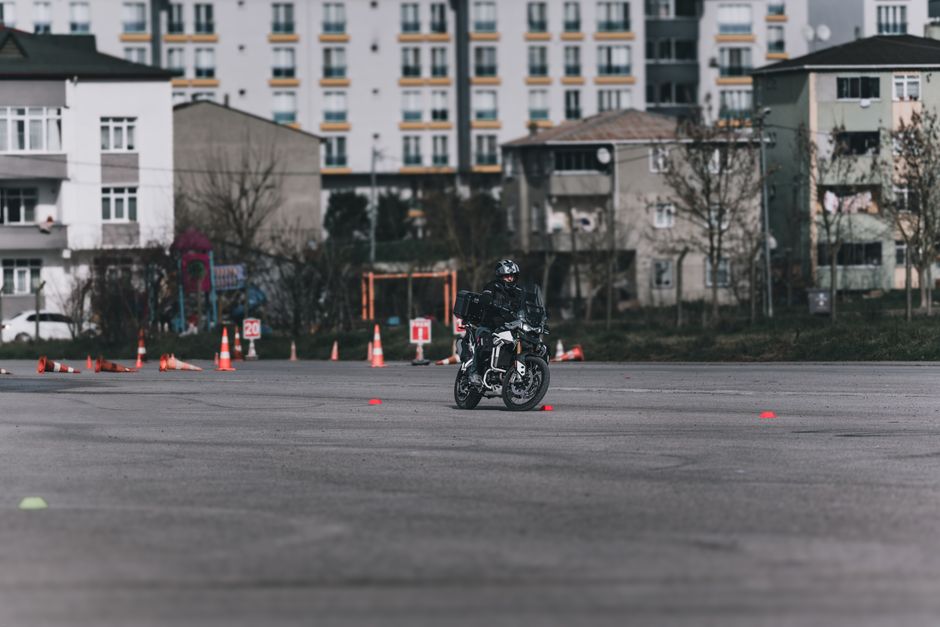
The author enrolled in a two-day Motorcyclist Training Course (MTC) at the Honda Rider Education Center in Colton, California. The MTC is required for riders 21 and younger. A one-day Premier Course is available for those over 21 who already know how to ride and have a permit. The two-day MTC course cost $425.
The CMSP course starts promptly, with strict rules about punctuality. Participants receive a 90-page handbook to study beforehand, which is highly recommended.
More Than Just Riding Skills
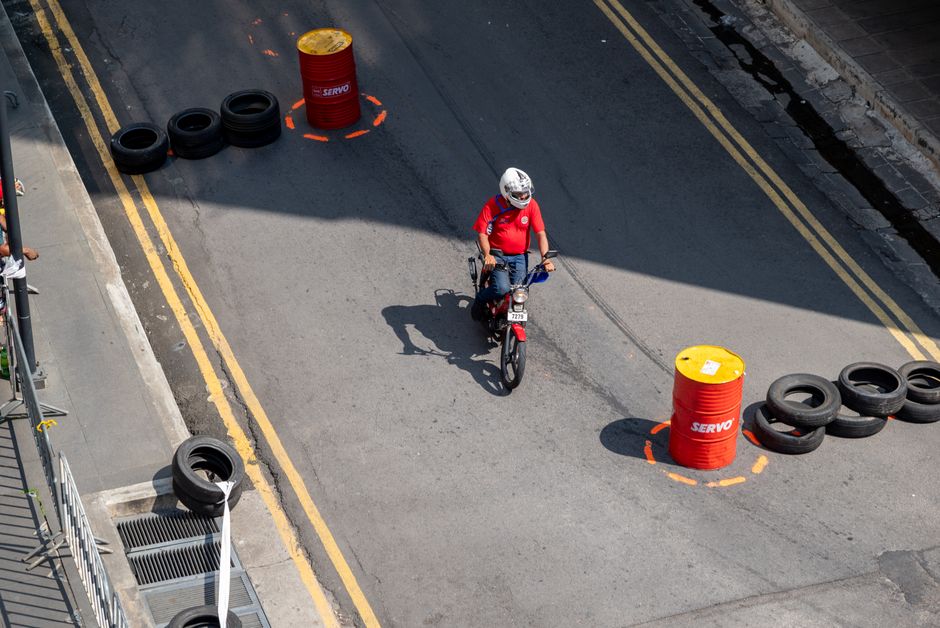
Classroom sessions focus on how to think like a motorcyclist, emphasizing situational awareness. Instructors analyze road conditions, traffic patterns, and potential hazards, training riders to anticipate and react to real-world scenarios.

Gear and Equipment
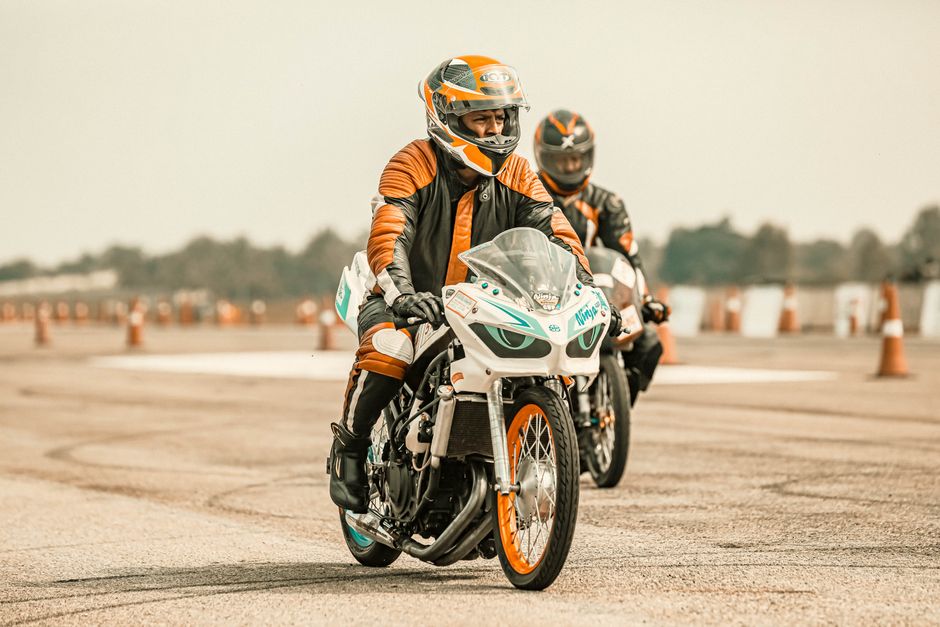
The CMSP course mandates basic riding gear: a DOT-approved helmet, street gloves, long sleeves, long pants, and over-the-ankle footwear. The program provides helmets, gloves, and boots if needed. The author had to borrow riding boots because high-top Vans were not acceptable. This requirement underscores the importance of responsibility and preparation before riding.
The course uses the Honda CB300R for the riding portion. This lightweight, approachable naked bike is well-suited for a controlled learning environment, building confidence with its low seat height, smooth throttle, and agile handling. According to motorcycle.com, the CB300R allows riders to focus on technique rather than struggling with the motorcycle itself.


