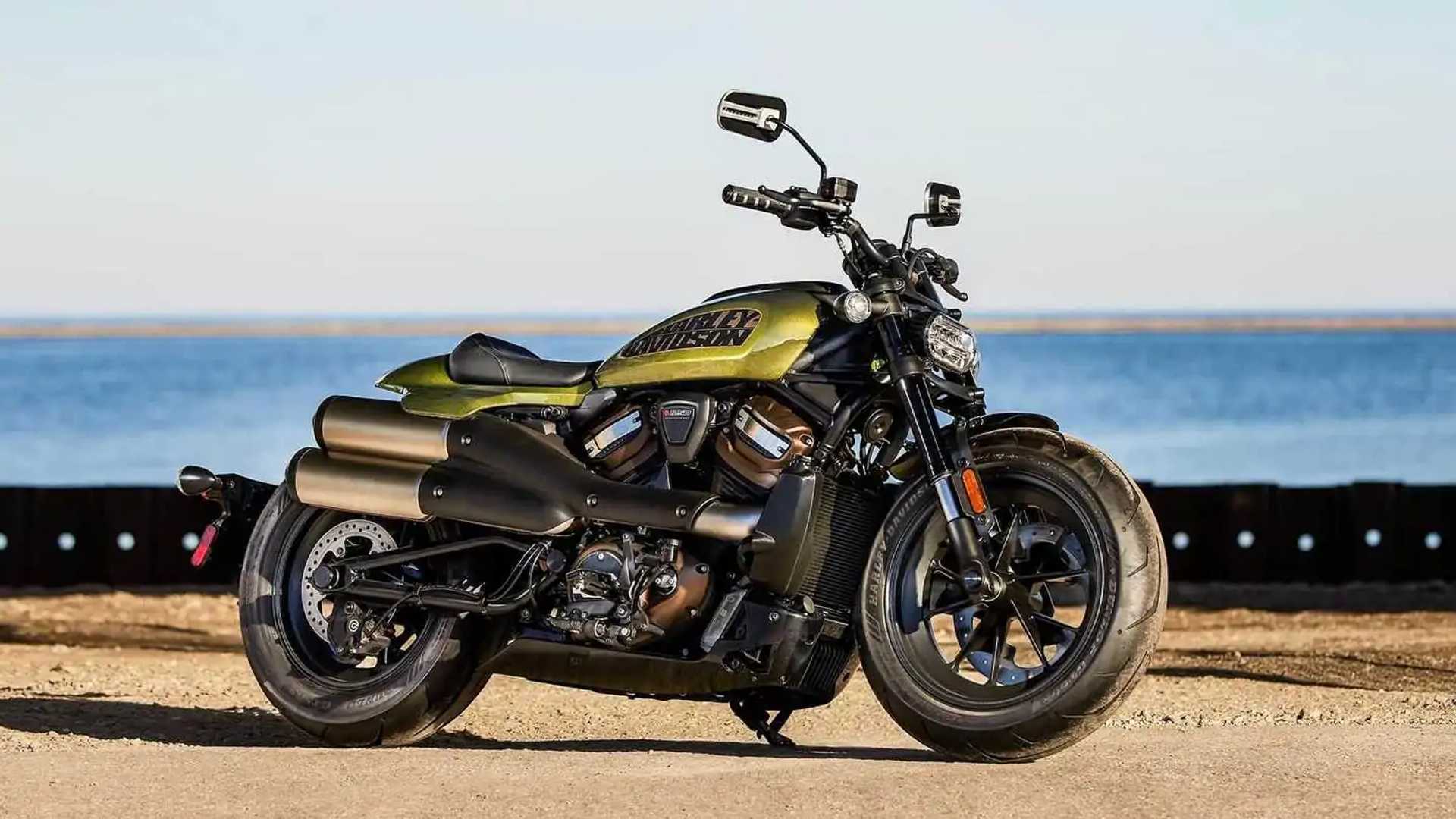
Harley-Davidson is attempting a significant strategic pivot under the leadership of new CEO Artie Starrs. As part of a plan dubbed 'Back to the Bricks,' the manufacturer is looking to stabilize its market position by returning to its roots. Central to this strategy is the resurrection of the iconic Sportster model, which was previously discontinued in 2022.
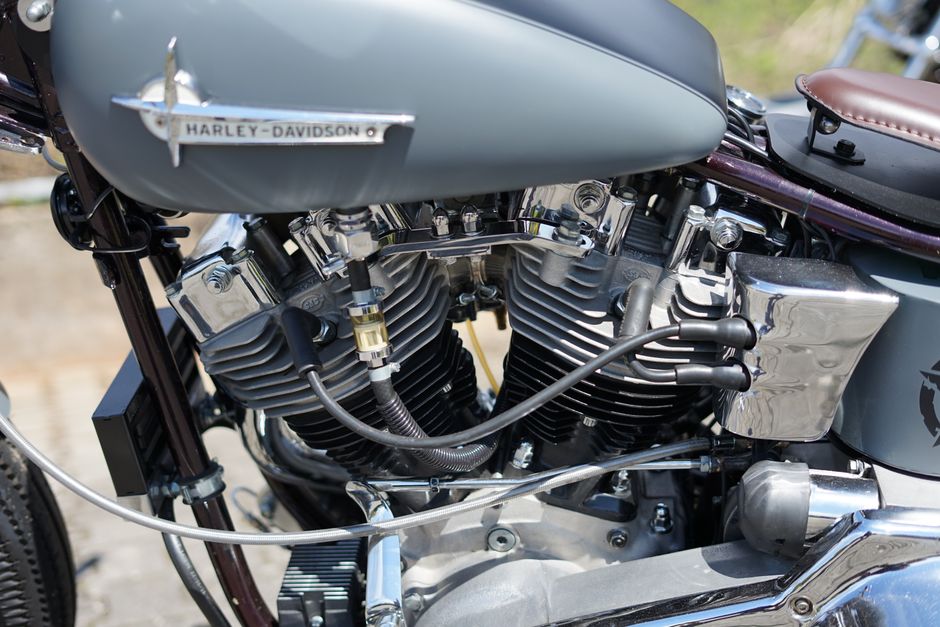
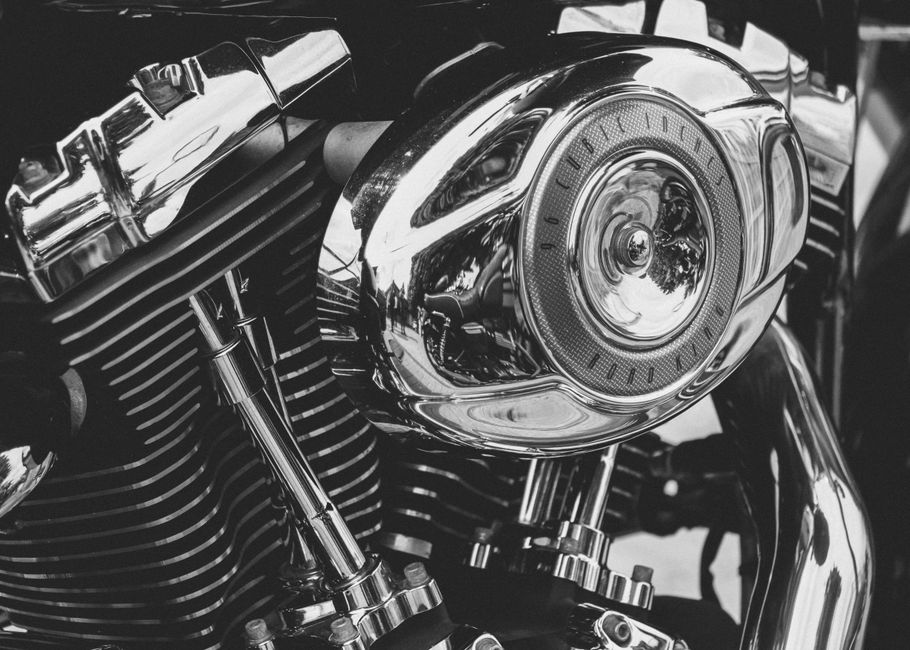
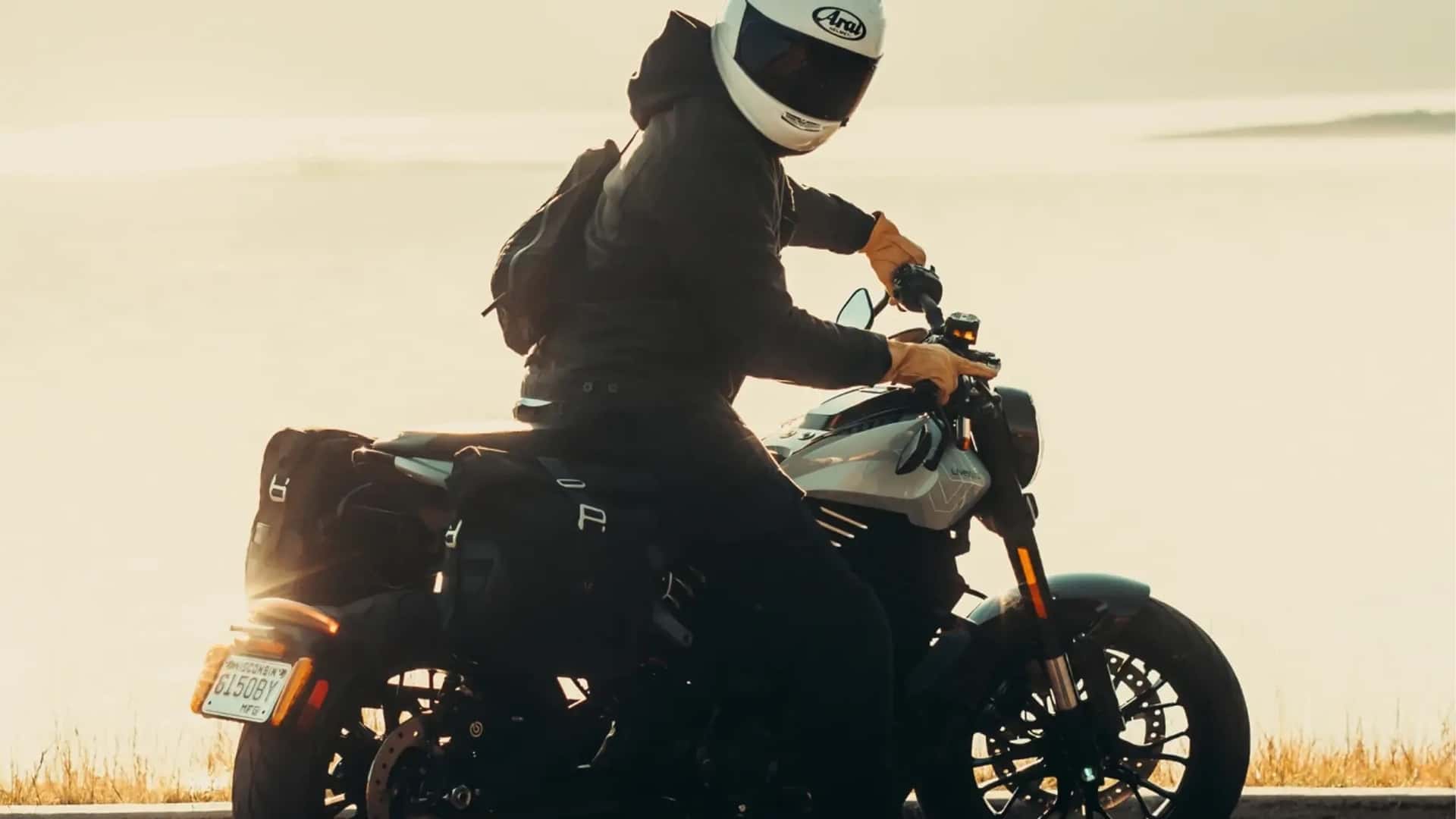
According to an interview with the Wall Street Journal, Harley-Davidson intends to bring back an air-cooled 883 cubic-inch V-twin engine to power the returning Sportster. This move stands in contrast to the liquid-cooled Revolution Max platform used in the current Nightster. The company plans to manufacture these units at its facility in York, Pennsylvania.
Addressing the financial viability of the project, Starrs noted that the company previously lost approximately $2,000 on every Sportster sold. However, he indicated that new trade policy developments regarding imported parts have helped mitigate these costs. While specific details remain thin, the company expects the new iteration to be profitable at a price point starting under $10,000.
In addition to the Sportster, Harley-Davidson is preparing to launch a new entry-level motorcycle known as the Sprint. Originally rumored to carry a $6,000 price tag, the company now suggests a target of under $10,000. This adjustment is likely influenced by ongoing tariff complexities, which have complicated the potential introduction of the Hero MotoCorp X440 collaboration to the North American market. The final pricing for the Sprint remains unconfirmed as the company navigates production costs.
The combination of the Sportster and the Sprint is intended to create a more accessible entry point for new customers. By offering these models alongside the Nightster, Harley-Davidson hopes to provide a wider range of options under the $12,000 threshold—a segment the company has struggled to occupy effectively over the last two decades. While these high-volume models represent a potential shift toward growth, industry analysts suggest that successfully executing this plan will be a demanding challenge for the motor company.