
Learning to ride a motorcycle well requires dedication and the right resources. While some riders may learn through trial and error, formal training offers a structured and effective approach to mastering the art of motorcycling. Whether you're a complete beginner or an experienced rider, professional instruction can significantly improve your skills and safety on the road or track.
According to motorcycle.com, numerous avenues exist for finding motorcycle rider training tailored to your specific interests and skill level. Here are some key resources to explore:
Motorcycle Safety Courses
- Motorcycle Safety Foundation (MSF): The MSF provides a comprehensive range of training services, from introductory courses for beginners to advanced programs for experienced riders. These courses cover basic motorcycle operation, street riding strategies, and essential safety techniques.
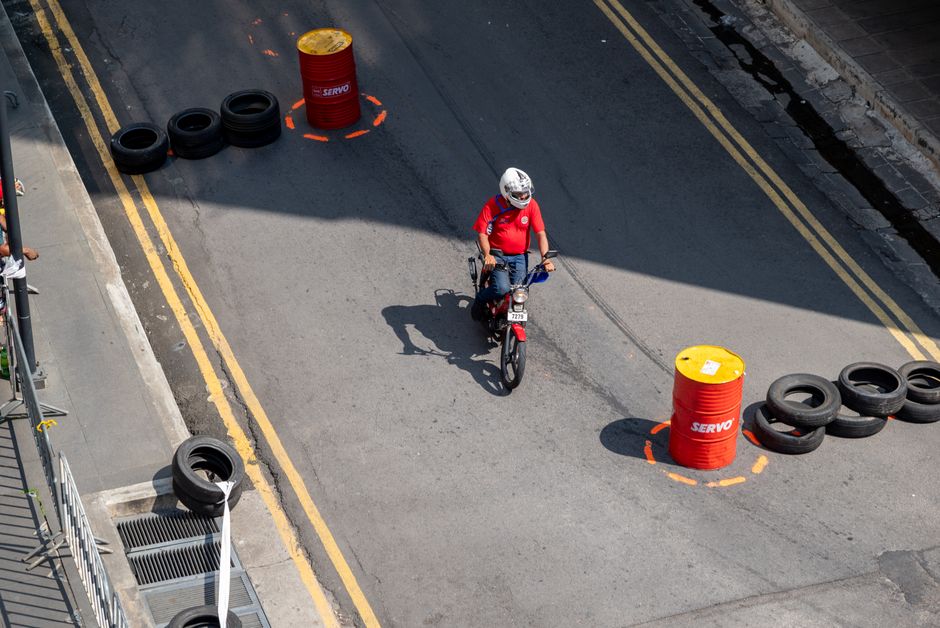
American Motorcyclist Association (AMA)
- AMA Resources: Founded in 1924, the AMA is a valuable resource for information on motorcycle events, schools, and training programs. A membership provides access to the monthly magazine, American Motorcyclist, and detailed information on local and national events.
- Chartered Clubs: The AMA website lists hundreds of chartered clubs, searchable by state and city. These clubs offer a community of enthusiasts and experts who can provide guidance and recommendations for accredited training.
- AMA-Sanctioned Events: The AMA also sanctions various events, including adventure rides, dual sport rides, and family enduros, which often include opportunities for instruction and skill development.
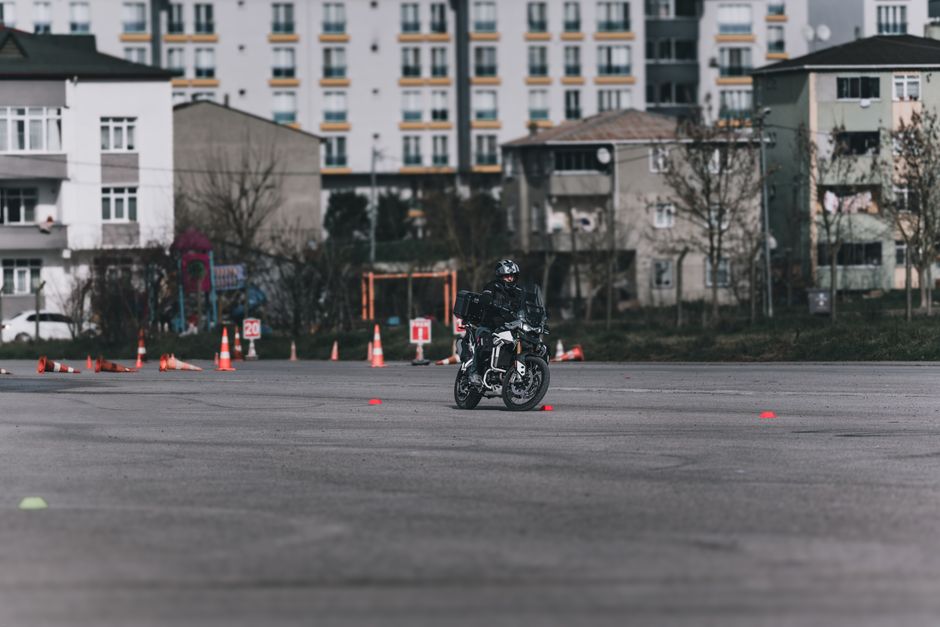
Local Dealerships
- Expert Advice: Local motorcycle dealerships are excellent sources of information on rider training in your area. Sales, parts, and service managers can provide recommendations for street riding courses, DMV test preparation, and dirt riding instruction.

Social Media
- Online Platforms: Social media platforms like Facebook, Instagram, X, and YouTube can be valuable tools for finding rider training and coaching. Many instructors and training programs use these platforms to promote their services and connect with potential students.
- Search Strategies: Use specific search terms such as "dirt bike training," "motorcycle instructor," or "motorcycle riding instruction" along with your state or city to find relevant resources.

Internet Search Engines
- Online Resources: Search engines like Google can uncover training resources not found on social media. Community colleges often offer practical motorcycle training programs.
- College Programs: Typing "college motorcycle training" into Google can lead to valuable educational opportunities in your local area.
By leveraging these resources, you can find the motorcycle rider training that best suits your needs and helps you become a safer, more skilled rider.


