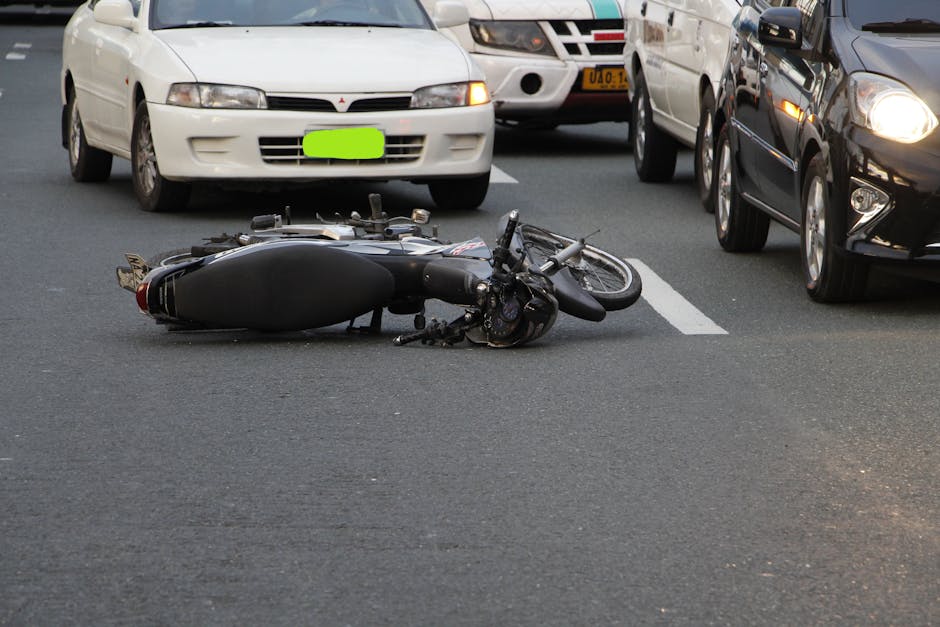
Imagine this: You're driving along, and the car in front of you suddenly slams on its brakes. A collision occurs, and the other driver is quick to assign blame. But something feels off. This scenario, according to webbikeworld.com, could be a staged accident, a form of insurance fraud that's more common than you might think.
These aren't random occurrences; they're often orchestrated by organized groups who understand the ins and outs of insurance claims. The Insurance Information Institute reports alarming increases in staged accidents in states like New Jersey (a 58% spike) and New York (a 14% increase), suggesting a growing national trend, according to webbikeworld.com.
Common Staged Accident Scams
- The Brake Check: The most common tactic, where a driver pulls in front of you and brakes suddenly, hoping you'll rear-end them.
- The Swoop and Squat: One car cuts you off while a second car prevents you from swerving to avoid a collision.
- The Side Swipe: A driver intentionally drifts into your lane, then claims you caused the collision.
These scams rely on the principle of 'your word against theirs,' especially when there's no independent evidence. Fraudulent accident rings are well-rehearsed, ready to provide consistent accounts that contradict yours. Insurance adjusters, in the absence of clear evidence, may struggle to determine the truth.

The Financial Impact
According to the FBI, insurance fraud costs the average American family between $400 and $700 per year in higher premiums. This means you're already paying for these scams, whether you've been a direct victim or not, according to webbikeworld.com.

The Power of a Dash Cam
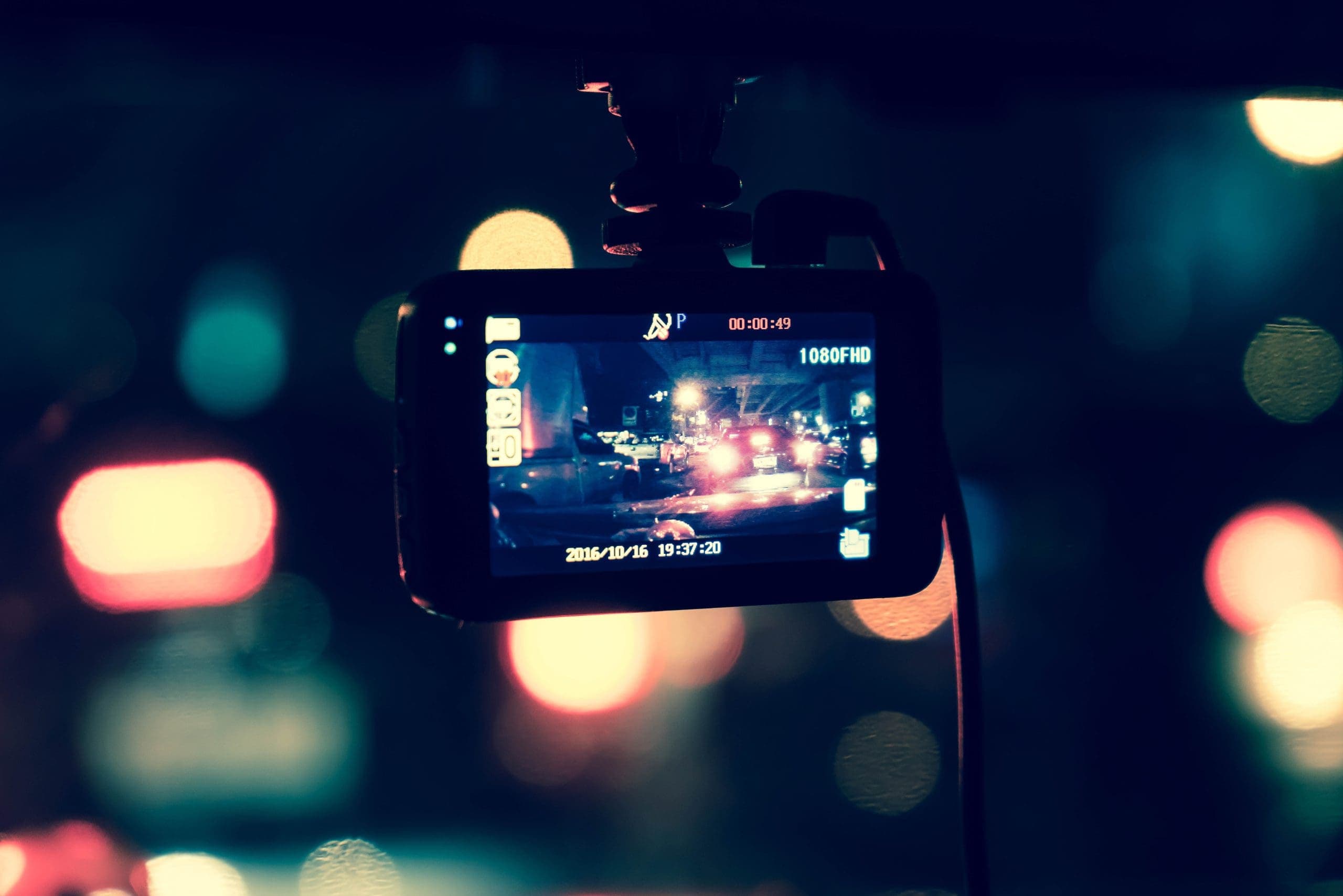
A dash cam can be a game-changer. Clear video footage eliminates ambiguity and provides undeniable evidence of what actually happened. It transforms the situation from a he-said-she-said scenario into a clear-cut case, deterring fraudulent claims.
Key features to look for in a dash cam:
- Front and Rear Coverage: Many staged accidents involve actions behind your vehicle.
- High Resolution: Clear footage is essential for capturing license plates and crucial details.
- Parking Mode: This feature records even when your car is parked, protecting you from hit-and-run incidents.

Ensuring Your Footage is Useful
Simply owning a dash cam isn't enough. You need to ensure the footage is usable and accessible:
- Proper Mounting: Position the camera in the center of the windshield, behind the rearview mirror, angled slightly downward.
- Regularly Check the Memory Card: Ensure the card is functioning correctly and that footage is being recorded.
- Back Up Footage Immediately: After any incident, immediately transfer the footage to your phone or computer.
Don't Become a Target
While you may never encounter a staged accident, it's crucial to be prepared. These scams thrive on the assumption that drivers believe it won't happen to them. A dash cam is a relatively inexpensive investment that can save you significant time, money, and stress in the event of a staged accident.